DinoNavi Visual Guides
DinoNavi Visual Guides
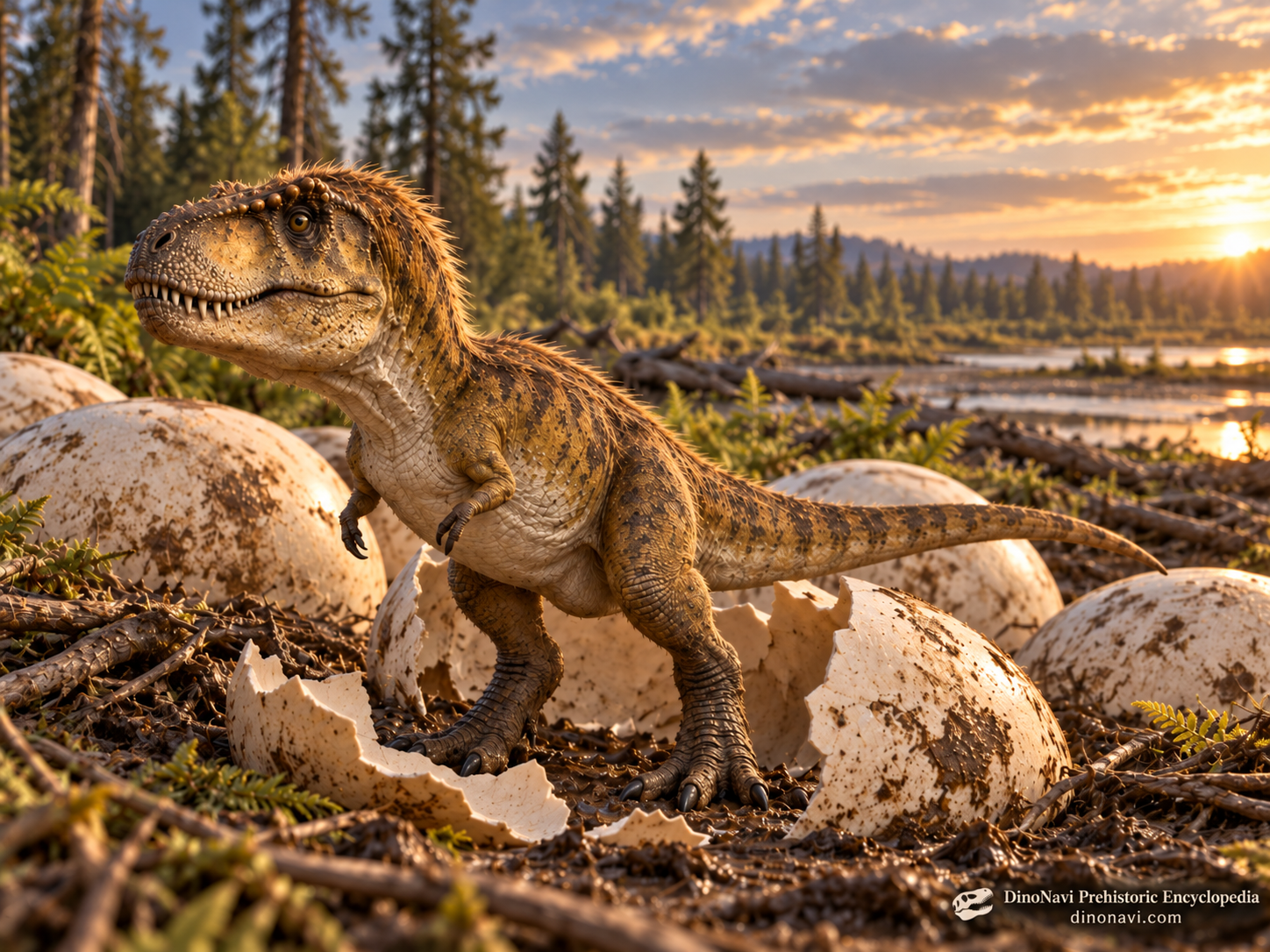
The Life of Tyrannosaurus rex: From Tiny Hatchling to Giant Predator
Around 66 million years ago, one of the most formidable predators in Earth's history roamed western North America. Yet even Tyrannosaurus rex began life small, vulnerable, and far removed from the gigantic animal we recognize today.
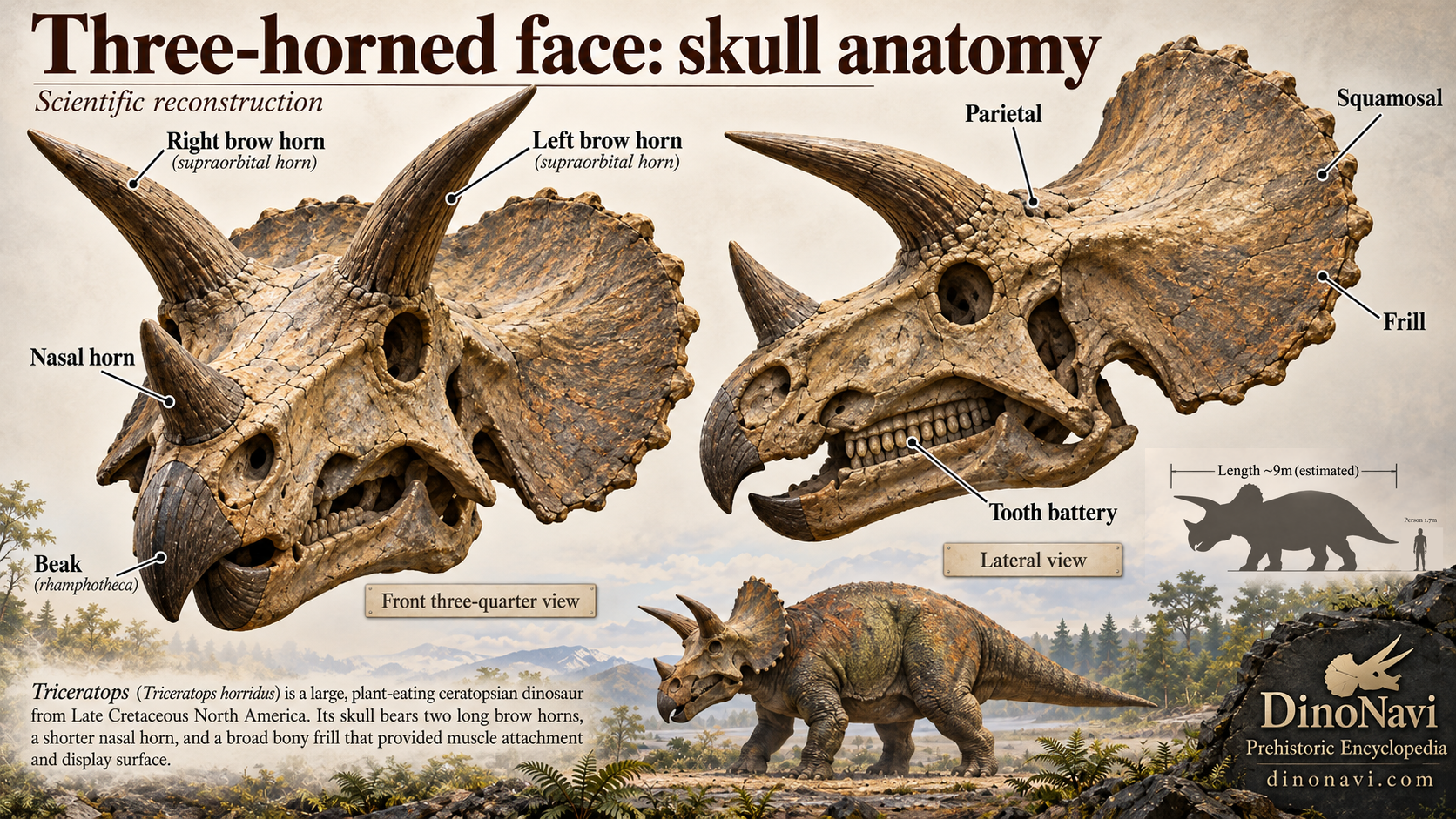
Triceratops: The Mystery of Its Horns and Frill
**Late Cretaceous North America, approximately 68–66 million years ago. Across river plains and woodlands walked a giant herbivore with two long brow horns, a smaller nose horn, and a spectacular bony shield-like structure behind its head.**
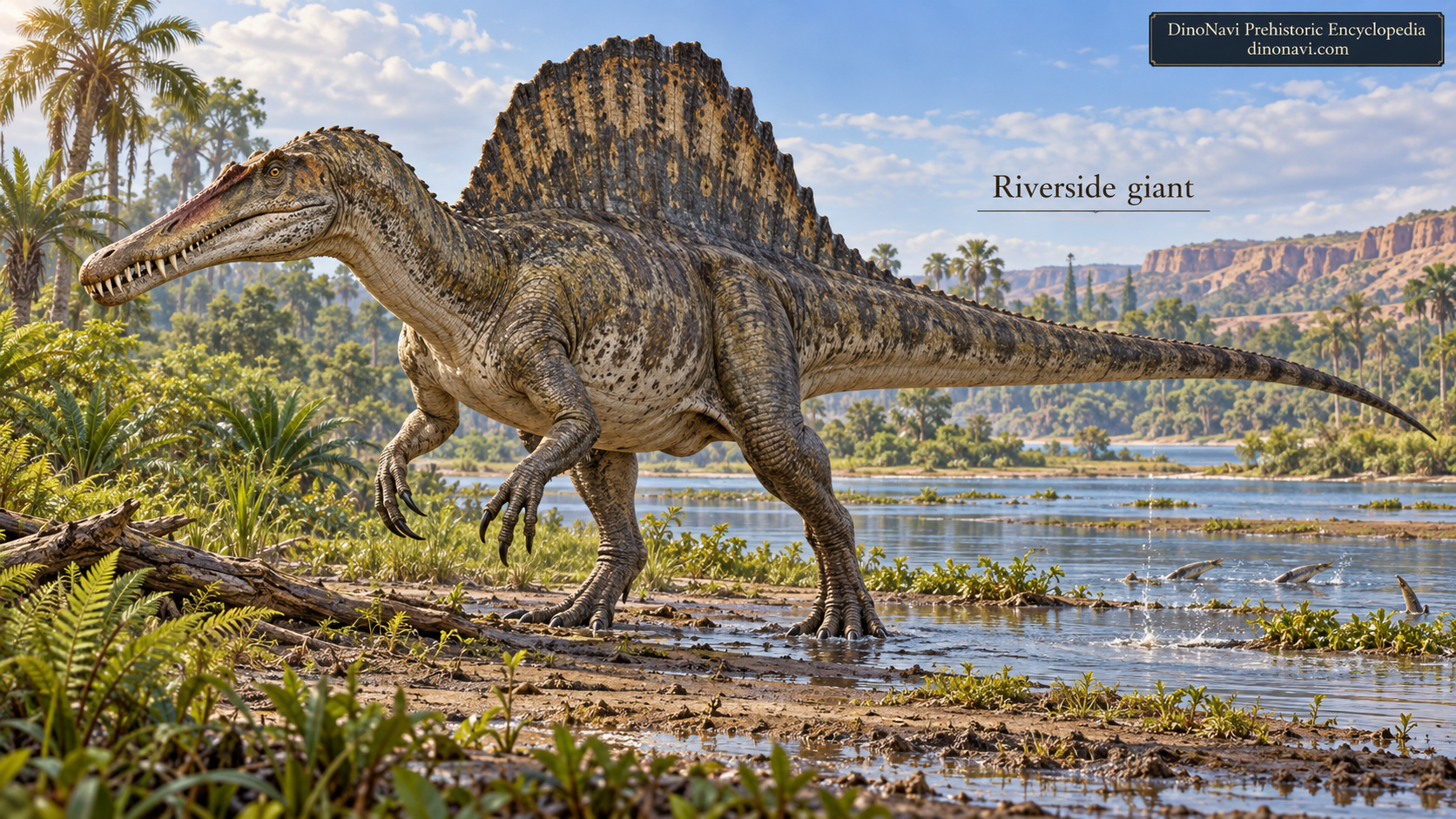
Spinosaurus and Life at the Water’s Edge: Did the Sail-Backed Giant Really Swim?
Around 95 million years ago, much of what is now North Africa was not the desert landscape we know today. River systems supported fish, reptiles and dinosaurs. Along a muddy channel walked an extraordinary predator: Spinosaurus aegyptiacus, with an elongated snout and a towering sail along its back.
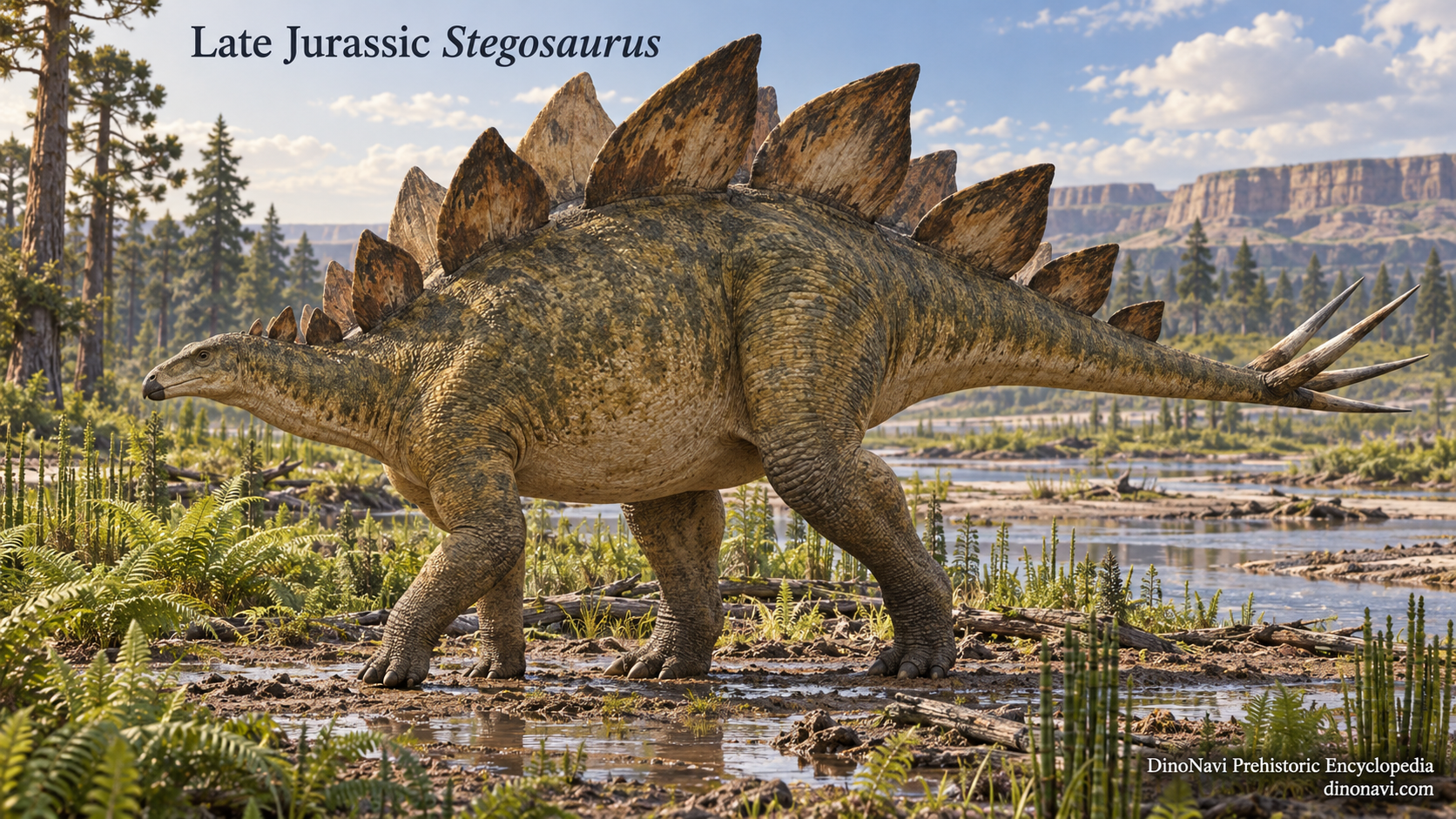
Stegosaurus: The Mystery of Its Plates and Spiked Tail
Around 150 million years ago, a striking herbivorous dinosaur walked across the river plains of western North America. Two staggered rows of large plates rose from its back, while four sharp spikes armed the tip of its tail. These structures have become the visual signature of Stegosaurus. But did the plates and spikes serve the same purpose? The fossil evidence tells a more complicated story.
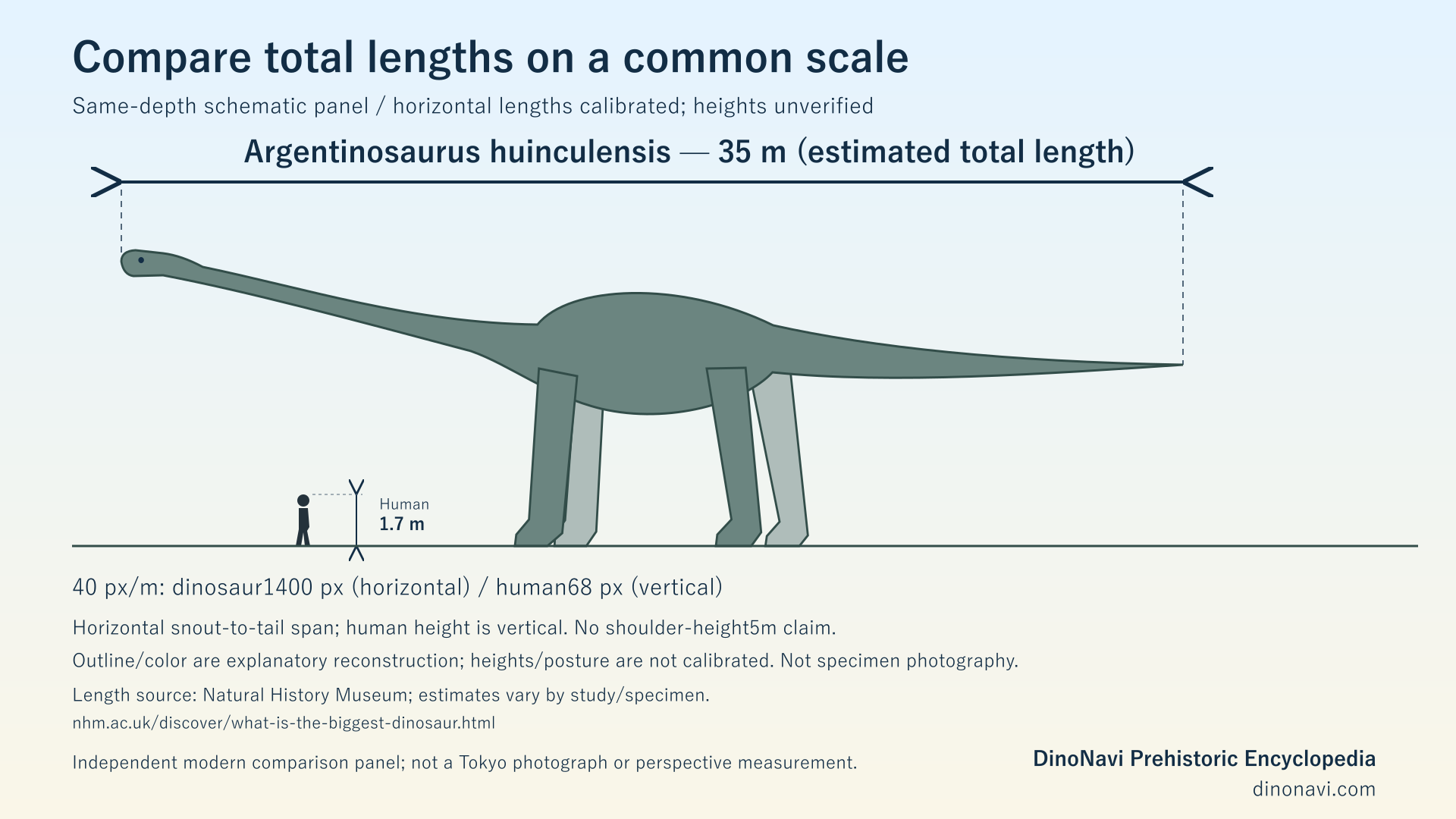
The Evolution of Giant Dinosaurs: How Did Land Animals Become Almost 40 Metres Long?
Around 100 million years ago, a vast animal moved across a landscape of rivers and vegetation in what is now South America. Its neck reached into a wide feeding space, while its huge body travelled on four column-like legs. A giant sauropod would have looked astonishing even beside the largest animals alive today.